Egypt in a Glance


Egypt is located in north east Africa with a land bridge to Asia formed by the Sinai Peninsula.
The Total territory of Egypt is approximately 1 million square kilometers. The country borders from the west side Libya, South borders with Sudan, from the north Mediterranean Sea and east side the Red Sea, Palestine & Israel.
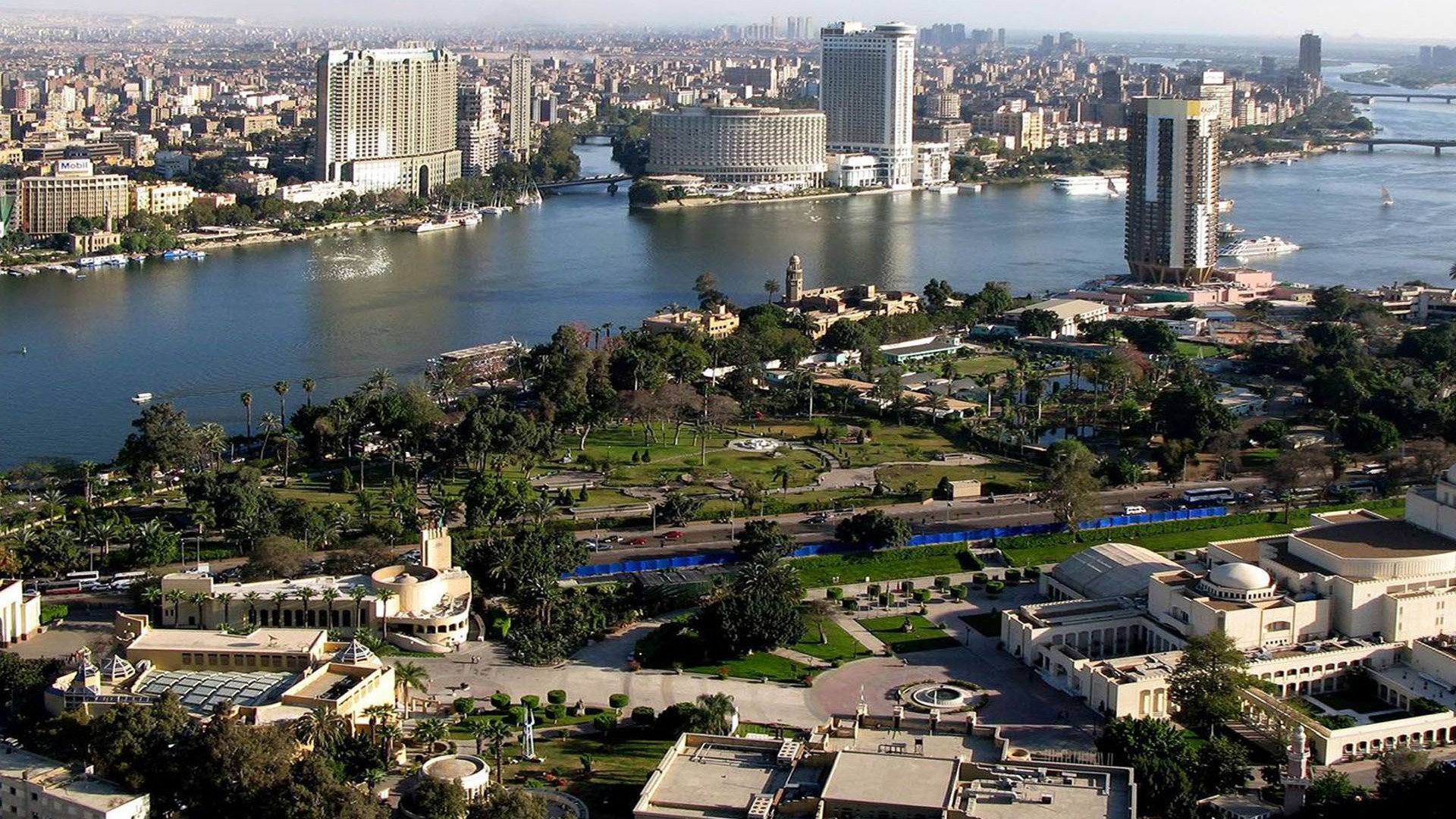
According to the 2015 population census, Egypt has a population of over 89 million most of them live along the river. The capital of Egypt is Cairo, located in north of the country, which its population more than 11 million persons. Alexandria is the second largest city in Egypt after Cairo of course, with a population over 4 million persons.
Egypt has been known as one of the longest histories of any other modern country, arising in the tenth millennium BCE as one of the world's first nation states. Considered a cradle of civilization, Ancient Egypt experienced some of the earliest developments of writing, agriculture, urbanization, organized religion and central government in history. Iconic monuments such as the Giza Necropolis and its Great Sphinx, as well the ruins of Memphis, Thebes, Karnak and the Valley of the Kings, reflect this legacy and remain a significant focus of archaeological study and popular interest worldwide. Egypt's rich cultural heritage is an integral part of its national identity, having endured and at times assimilated various foreign influences, including Greek, Persian, Roman, Arab, Ottoman, and European.
Modern Egypt is considered to be a regional and middle power, with significant cultural, political, and military influence in North Africa, the Middle East and the Muslim world. Its economy is one of the largest and most diversified in the Middle East, with sectors such as tourism, agriculture, industry and services at almost equal production levels. In 2011, longtime President Hosni Mubarak stepped down amid mass protests. Later elections saw the rise of the Muslim Brotherhood, a year later after mass protests was overthrown the Muslim Brotherhood. A temporary president has been appointed Presidential elections of the Republic in 2014. and after that the new elections helded and president abd el- fatah el sisi become the president of arab repuplic of egypt.
The Egyptian economy is the second largest economy in the Arab world after Saudi Arabia. The largest sectors that have the largest income in Egypt are agriculture, tourism and industry and GDP grew up by 5% in 2010.
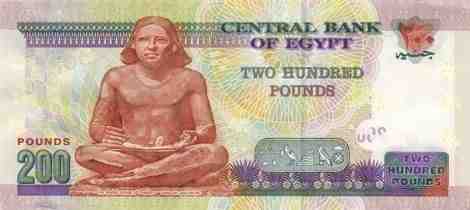
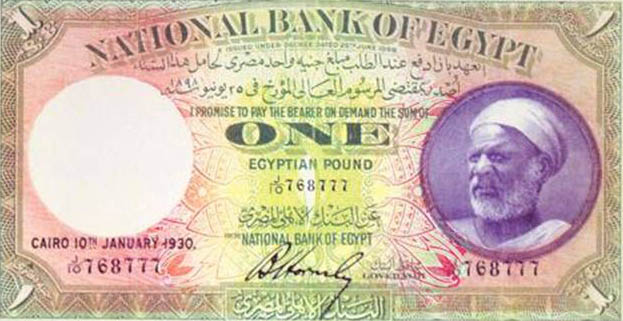
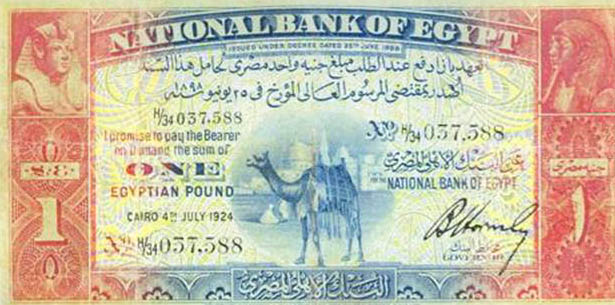
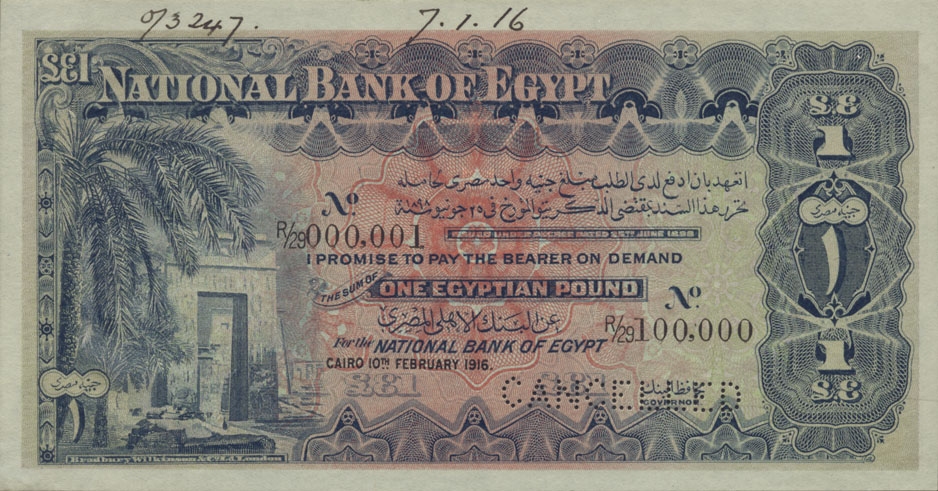
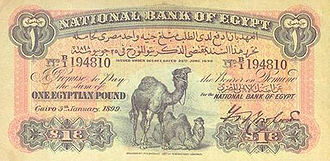
The Egyptian coinage is the Egyptian Pound (LE) and it is divided into 100 Piaster’s (PT).
.Egypt is on the Arabian-Nubian Shield, rich gold deposits are found among this region.
Foreign investments in the petroleum sector and the mining sector in Egypt are controlled by individual disclaimers agreements between the foreign company and the Ministry for Petroleum and Mineral Resources or the Egyptian Mineral Resource Authority (EMRA).
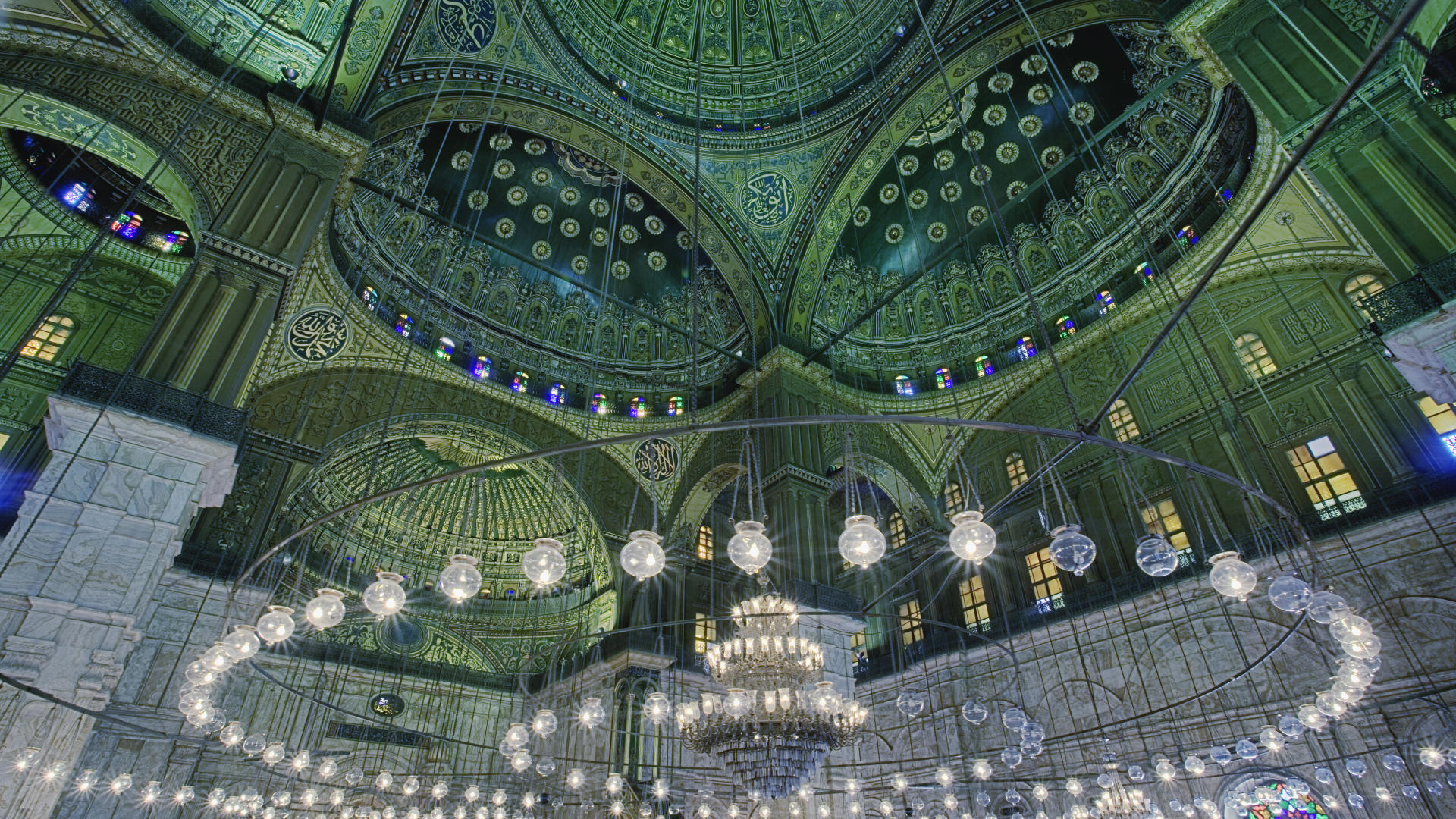
90% of Egyptians are Muslim (mostly Sunni), with 9% Christian and the remaining 1% defined as 'Other'.
Arabic is the official language, although English is widely understood.
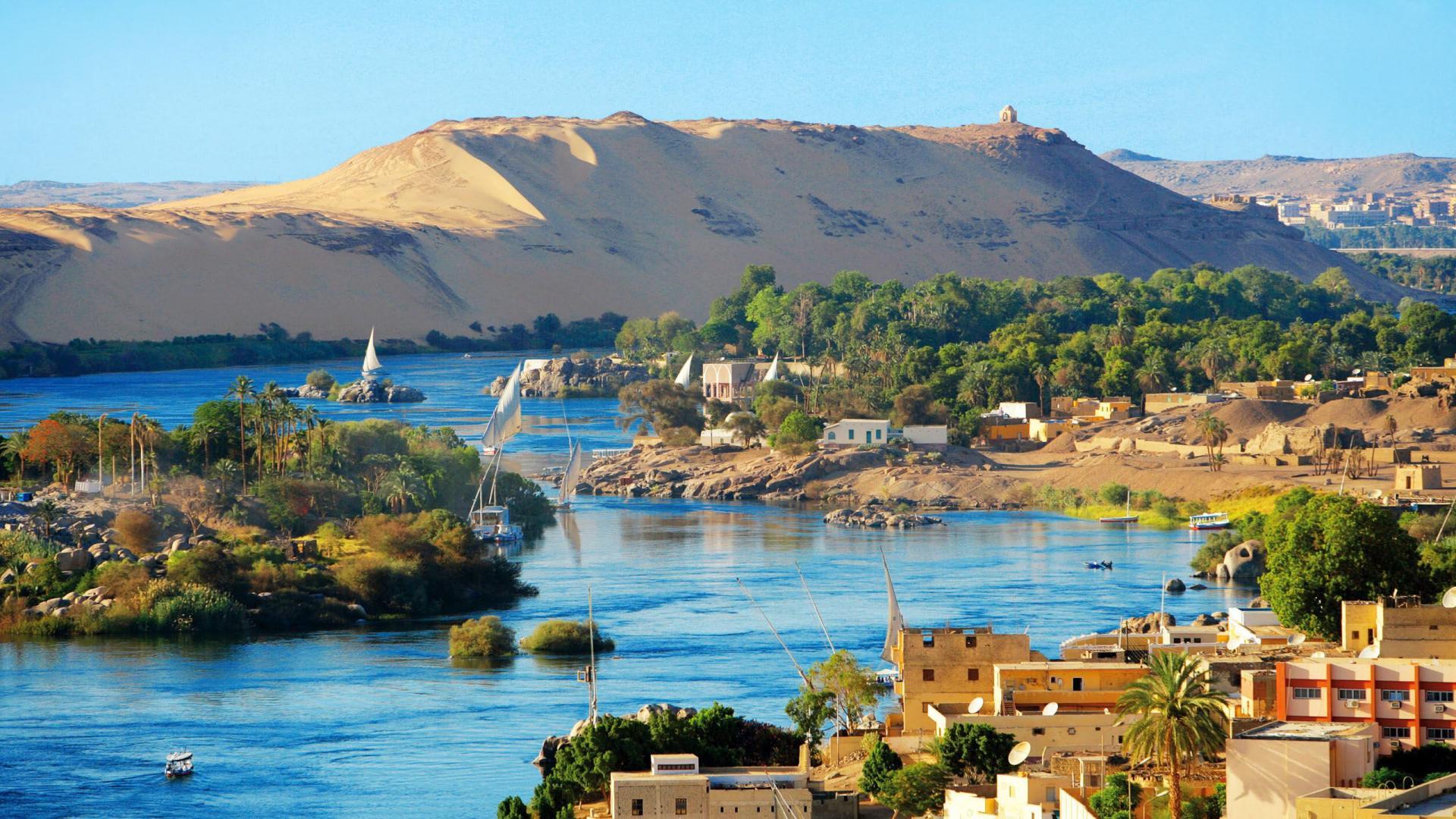
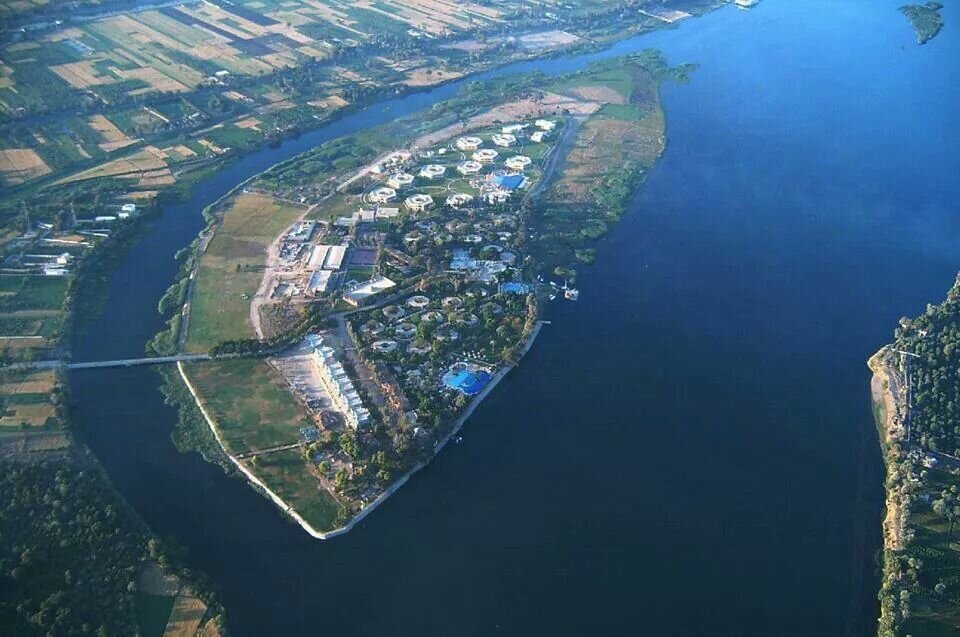
Egypt considered one of the oldest civilizations of the world, it established over 5,000 years ago. Based around the River Nile, which annual flood was central to the country's prosperity.
The Pharaohs reigned was both in Memphis in the north and Thebes in the south, fetching a culture that has continued to amazed and inspire people over the world with the pyramids, hieroglyphics and numerous inspiring temples and artifacts.
The Evidence of the Pharaohs and the Romans still exists at the Sukari Gold Mine till now.
The Total territory of Egypt is approximately 1 million square kilometers. The country borders from the west side Libya, South borders with Sudan, from the north Mediterranean Sea and east side the Red Sea, Palestine & Israel.
According to the 2015 population census, Egypt has a population of over 89 million most of them live along the river. The capital of Egypt is Cairo, located in north of the country, which its population more than 11 million persons. Alexandria is the second largest city in Egypt after Cairo of course, with a population over 4 million persons.
Egypt has been known as one of the longest histories of any other modern country, arising in the tenth millennium BCE as one of the world's first nation states. Considered a cradle of civilization, Ancient Egypt experienced some of the earliest developments of writing, agriculture, urbanization, organized religion and central government in history. Iconic monuments such as the Giza Necropolis and its Great Sphinx, as well the ruins of Memphis, Thebes, Karnak and the Valley of the Kings, reflect this legacy and remain a significant focus of archaeological study and popular interest worldwide. Egypt's rich cultural heritage is an integral part of its national identity, having endured and at times assimilated various foreign influences, including Greek, Persian, Roman, Arab, Ottoman, and European.
Modern Egypt is considered to be a regional and middle power, with significant cultural, political, and military influence in North Africa, the Middle East and the Muslim world. Its economy is one of the largest and most diversified in the Middle East, with sectors such as tourism, agriculture, industry and services at almost equal production levels. In 2011, longtime President Hosni Mubarak stepped down amid mass protests. Later elections saw the rise of the Muslim Brotherhood, a year later after mass protests was overthrown the Muslim Brotherhood. A temporary president has been appointed Presidential elections of the Republic in 2014. and after that the new elections helded and president abd el- fatah el sisi become the president of arab repuplic of egypt.
The Egyptian economy is the second largest economy in the Arab world after Saudi Arabia. The largest sectors that have the largest income in Egypt are agriculture, tourism and industry and GDP grew up by 5% in 2010.
The Egyptian coinage is the Egyptian Pound (LE) and it is divided into 100 Piaster’s (PT).
.Egypt is on the Arabian-Nubian Shield, rich gold deposits are found among this region.
Foreign investments in the petroleum sector and the mining sector in Egypt are controlled by individual disclaimers agreements between the foreign company and the Ministry for Petroleum and Mineral Resources or the Egyptian Mineral Resource Authority (EMRA).
90% of Egyptians are Muslim (mostly Sunni), with 9% Christian and the remaining 1% defined as 'Other'.
Arabic is the official language, although English is widely understood.
Egypt considered one of the oldest civilizations of the world, it established over 5,000 years ago. Based around the River Nile, which annual flood was central to the country's prosperity.
The Pharaohs reigned was both in Memphis in the north and Thebes in the south, fetching a culture that has continued to amazed and inspire people over the world with the pyramids, hieroglyphics and numerous inspiring temples and artifacts.
The Evidence of the Pharaohs and the Romans still exists at the Sukari Gold Mine till now.